
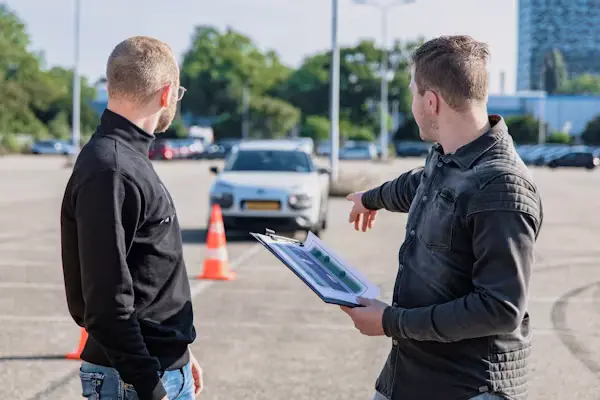
Passing your Virginia DMV behind-the-wheel road test is an important step toward earning your driver’s license. The test checks more than your ability to steer a car. It also measures how well you follow traffic laws, observe your surroundings, control your speed, and make safe decisions. With regular practice and the right preparation, you can approach test day with greater confidence.
Choosing a behind the wheel driving school in Virginia can help you prepare for the road test with structured lessons, practical driving experience, and guidance from an instructor. Professional training can help you identify weak areas, improve essential driving skills, and build habits that support safe driving long after you receive your license.
Why Is Preparation Important for the Virginia DMV Road Test?
The Virginia road skills test evaluates your ability to operate a vehicle safely and follow traffic rules. Examiners look for proper vehicle control, awareness, safe turns, correct stopping, and responsible decisions. Practicing these skills before your appointment helps you understand what to expect and reduces avoidable mistakes.
Top 7 Tips to Pass Your DMV Road Test
1. Learn Virginia Traffic Rules
Start by reviewing the official Virginia Driver’s Manual. Understand speed limits, traffic signals, stop signs, right-of-way rules, and pedestrian crossings.
During practice, apply these rules in real driving situations. Come to a complete stop at stop signs, obey posted speed limits, and yield when required. Never assume that an empty road gives you permission to ignore a traffic sign.
2. Practice Parking and Essential Maneuvers
Parking and vehicle maneuvers require patience, control, and awareness. Practice parallel parking, reversing in a straight line, three-point turns, and other skills relevant to your test.
Use a safe practice area and ask a qualified instructor to correct your technique. Check your mirrors and surroundings before moving. Practice each maneuver until you can perform it smoothly without rushing.
3. Check Your Mirrors and Blind Spots
Mirror checks help you understand what happens around your vehicle. Check your mirrors regularly and look over your shoulder to check blind spots before changing lanes, merging, or moving away from the curb.
Make these checks deliberate and consistent. Always confirm that the road is clear before moving. Good observation helps you avoid hazards and shows the examiner that you understand safe driving practices.
4. Use Turn Signals Correctly
Signal before turning, changing lanes, or pulling over. Give other road users enough time to understand your intentions, following Virginia traffic rules.
Before changing lanes, check your mirrors, signal, look over your shoulder, and move only when safe. Avoid sudden turns or unnecessary steering corrections. Clear signals and smooth movements make your driving more predictable.
5. Maintain a Safe and Steady Speed
Always follow the posted speed limit and adjust your speed to road, traffic, visibility, and weather conditions. Driving too fast reduces your reaction time, while unnecessarily slow driving can disrupt traffic.
Keep a safe following distance and avoid sudden braking. Slow down appropriately near intersections, school zones, pedestrians, and other potential hazards. Good speed control shows that you can respond calmly to changing conditions.
6. Stay Calm and Focused
Feeling nervous before a road test is normal. However, anxiety can make you forget simple steps or react too quickly.
Get enough sleep the night before, arrive prepared, and take a few slow breaths before starting. Listen carefully to the examiner’s instructions and ask for clarification if you do not understand them. Focus on driving safely instead of worrying about the final result.
7. Take a Mock Road Test Before Your Appointment
A practice test helps you understand your strengths and weaknesses. Ask a qualified instructor to assess your driving as if you were taking the actual exam.
Practice starting, stopping, turning, parking, lane changes, and observation techniques. Review every mistake and repeat the skill until you can perform it consistently. A mock test also helps you manage nerves and follow instructions under pressure.
DMV Road Test Day Checklist
Before leaving for your appointment, confirm that you have everything you need.
- Check your learner’s permit and appointment details.
- Confirm the documents required for your situation.
- Ensure the test vehicle meets Virginia DMV requirements.
- Check the brakes, lights, turn signals, horn, mirrors, and seat belts.
- Adjust your seat and mirrors before starting.
- Fasten your seat belt and follow the examiner’s instructions.
Check the latest requirements on the official Virginia DMV website before test day. Your eligibility and documentation requirements may depend on your age and driver education history.
Frequently Asked Questions
1. How can I pass my Virginia DMV road test on the first try?
Practice consistently, learn Virginia traffic laws, master parking, check your mirrors and blind spots, use signals correctly, and maintain a safe speed. A mock test can help you identify mistakes before your appointment.
2. What are the most common mistakes during a driving test?
Common mistakes include rolling through stop signs, failing to signal, missing blind-spot checks, speeding, incorrect lane positioning, and failing to yield. Regular practice helps you correct these habits.
3. Should I take professional driving lessons before my road test?
Professional lessons can help you improve vehicle control, understand safe driving techniques, and receive feedback on areas that need work. Choose a qualified driving school that matches your experience and learning needs.
4. What happens if I fail the Virginia DMV road test?
You can prepare for another attempt after meeting the applicable waiting period and other DMV requirements. Virginia DMV generally requires a two-day wait after a failed road skills test. Check the current rules before scheduling again.
5. Do I need to practice parking before the road test?
Yes. Parking practice improves vehicle control, spatial awareness, and confidence. Learn the maneuvers relevant to your test and follow your instructor’s guidance.
Conclusion
Passing your Virginia DMV road test starts with consistent practice, a clear understanding of traffic laws, and a commitment to safe driving. Focus on the basics, correct your mistakes, and avoid rushing through maneuvers. If you need structured guidance, look for a behind the wheel driving school near me Virginia to find suitable local training, improve your driving skills, and prepare for your road test with greater confidence.
Ready to Pass Your Virginia DMV Road Test?
Build your driving confidence with professional lessons from Prime Driving School VA. Improve your road skills and prepare for your DMV behind-the-wheel test with expert guidance.
Call Us Today: +1 (571) 501-3404
Address: 8311 Timber Brook Ln, Springfield, VA 22153
Website: https://primedrivingschoolva.com/
